
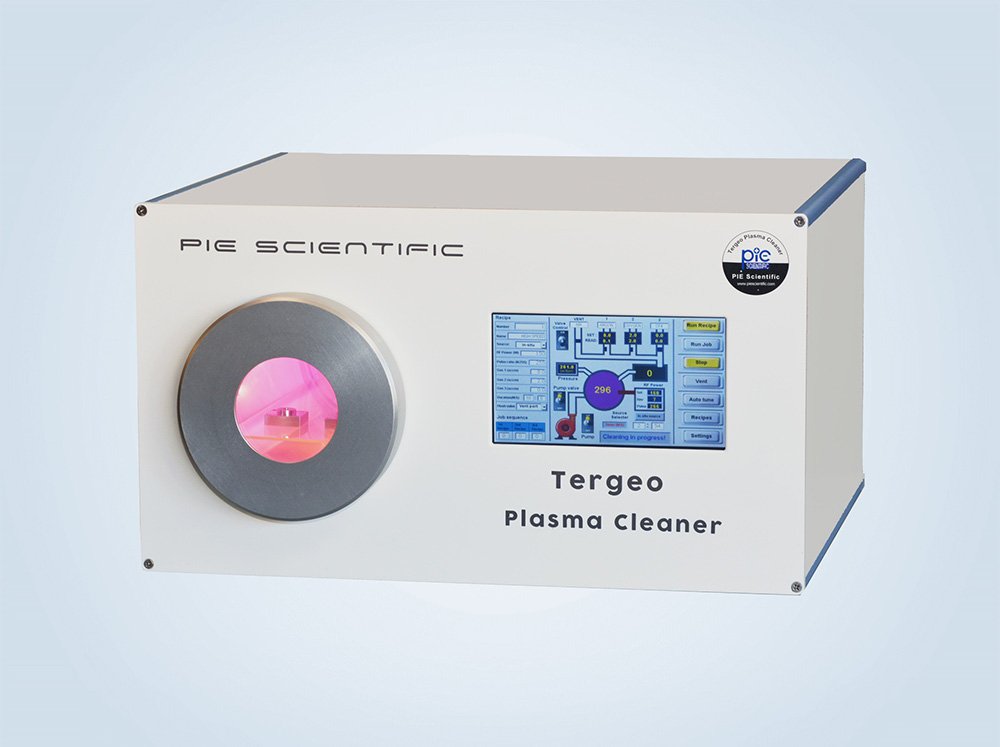
 Which Tergeo fits your lab?
Plasma ashing of coal and charcoal powder
Low-temperature oxygen plasma burns off the carbon in coal and charcoal and leaves the mineral matter behind — without the high temperatures that alter clays, carbonates and sulfides. One-gram samples ash in a few hours, unattended, with the end point read from the plasma emission.
- 75 W, 10 sccm O₂
- 1 g samples, no stirring
- End point from plasma emission
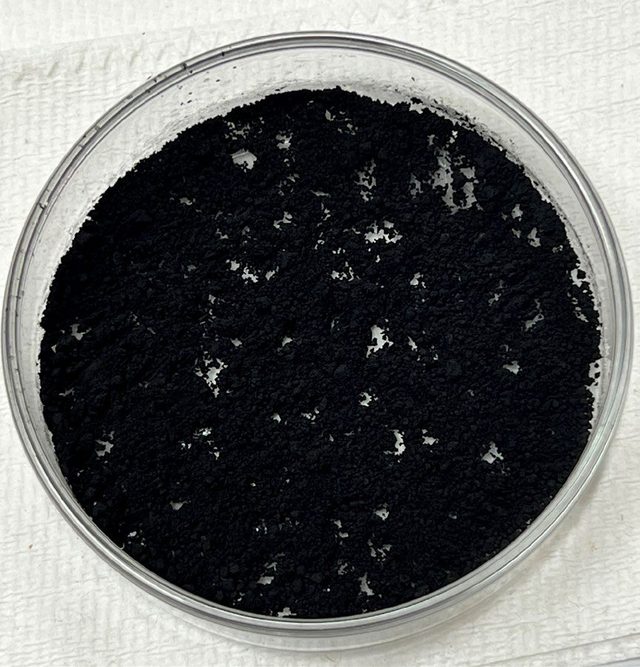
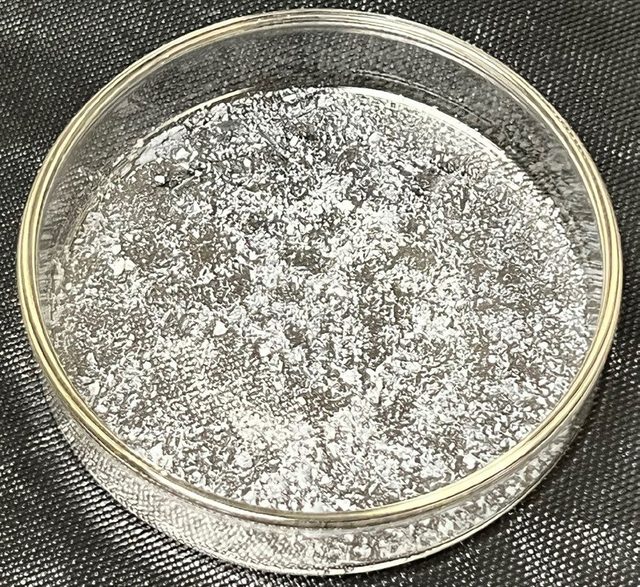
Keep the minerals the way they were
Conventional ash tests burn coal in a furnace at several hundred degrees Celsius. That measures ash yield, but it also changes the minerals: clays lose water, carbonates decompose and sulfides oxidize. Low-temperature oxygen plasma ashing removes the organic matter at near-ambient temperature, so the residue is much closer to the original mineral matter — the starting point for XRD, SEM-EDS and other mineralogical analysis of coal, coke, biochar and soils.
The same approach isolates the inorganic fraction of other carbon-rich materials — polymers with fillers, biomass, sludge and organically bound building materials.
Plasma-ash residue is not the same quantity as a standard furnace ash yield; report it as low-temperature ash.
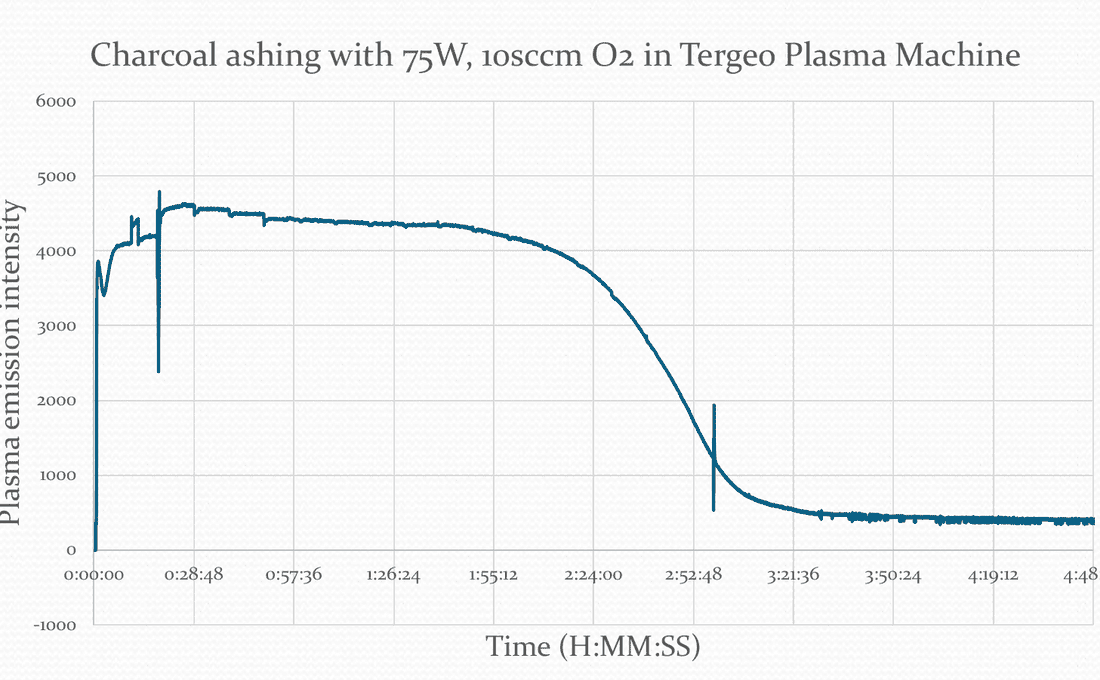
How to read the end point
- Pure oxygen plasma gives a low emission reading.
- Ashing produces CO, CO₂ and H₂O, which raise the emission intensity strongly.
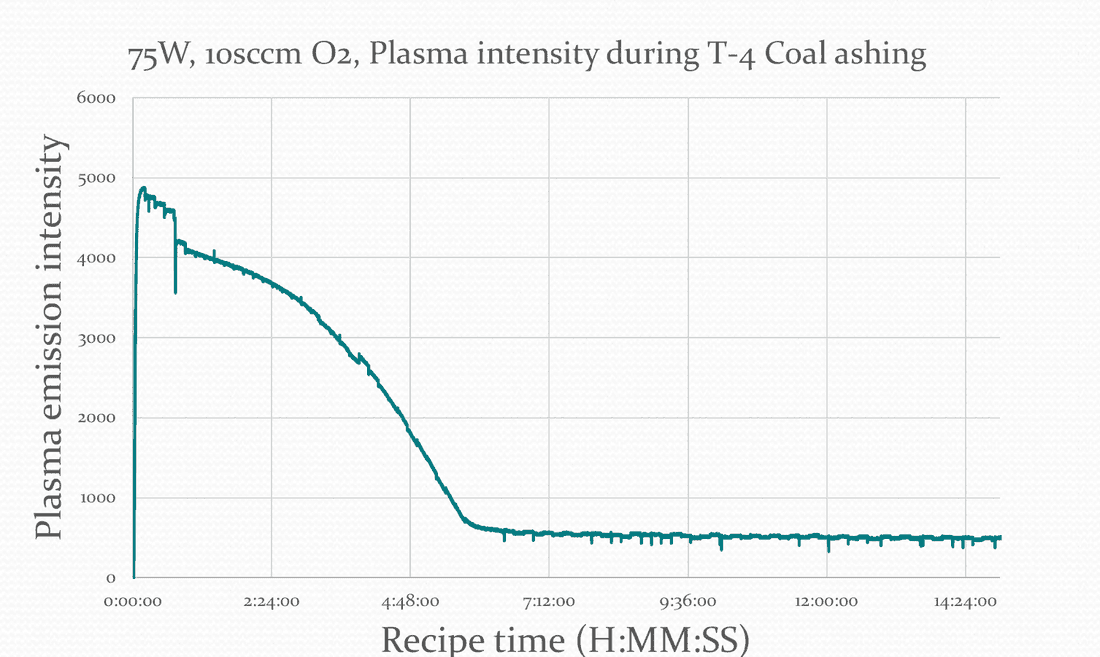
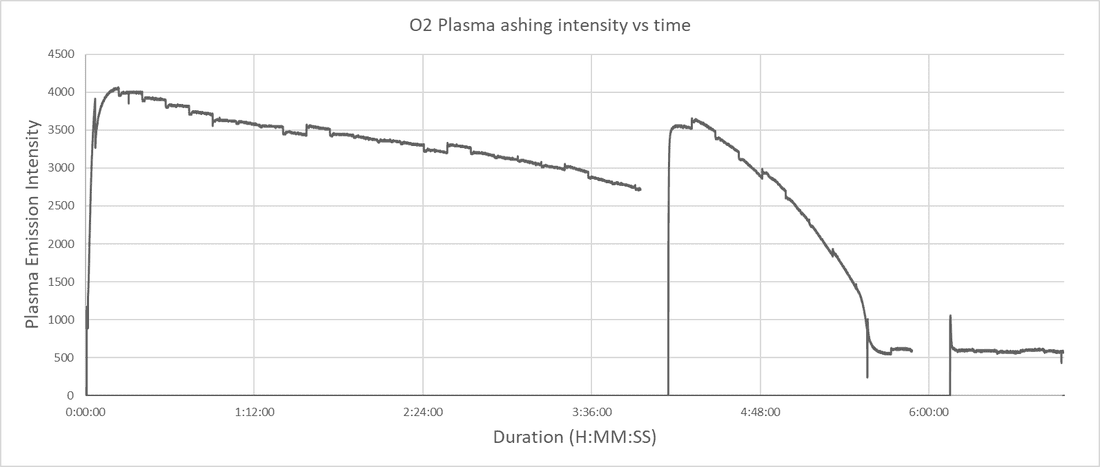
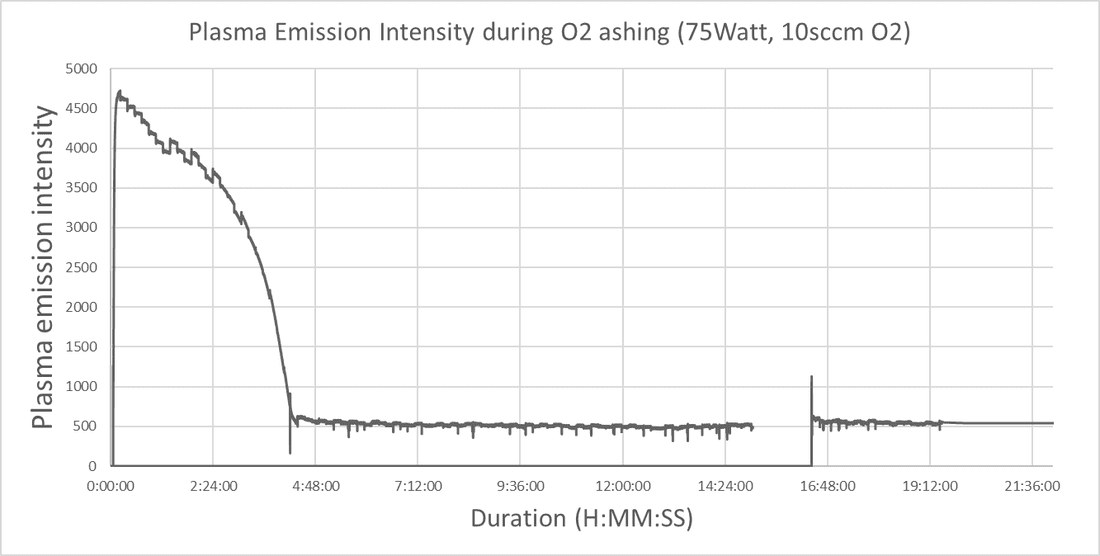
- A high reading means ashing is vigorous; when it falls back to the pure-O₂ baseline, no organic material is left.
- If the reading rises again after you stir the powder, buried material is still ashing.
Four samples, one recipe: 75 W, 10 sccm O₂
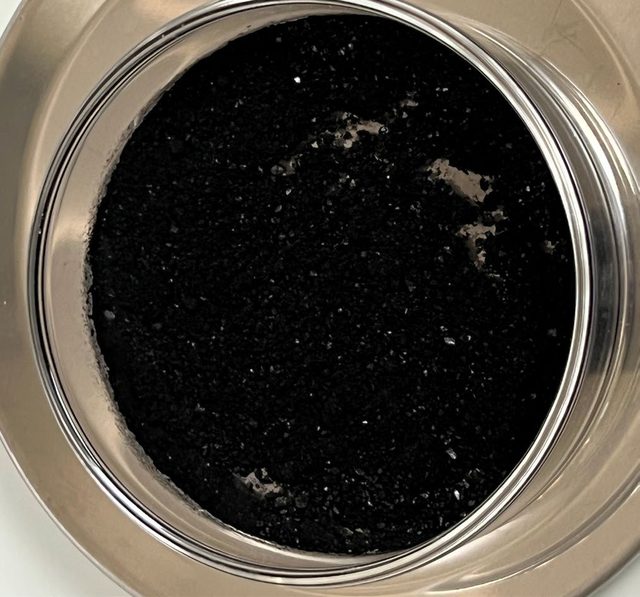
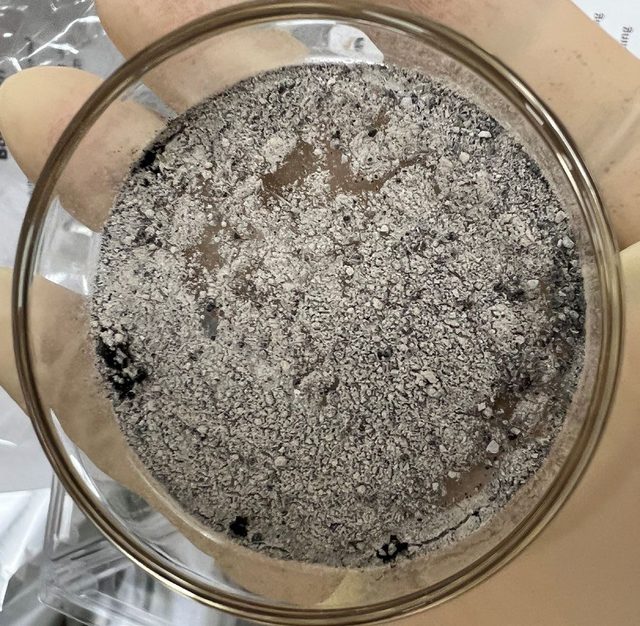
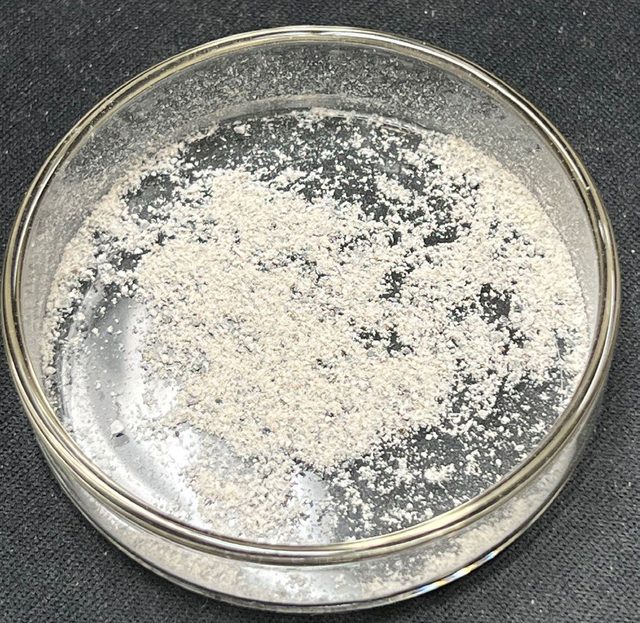
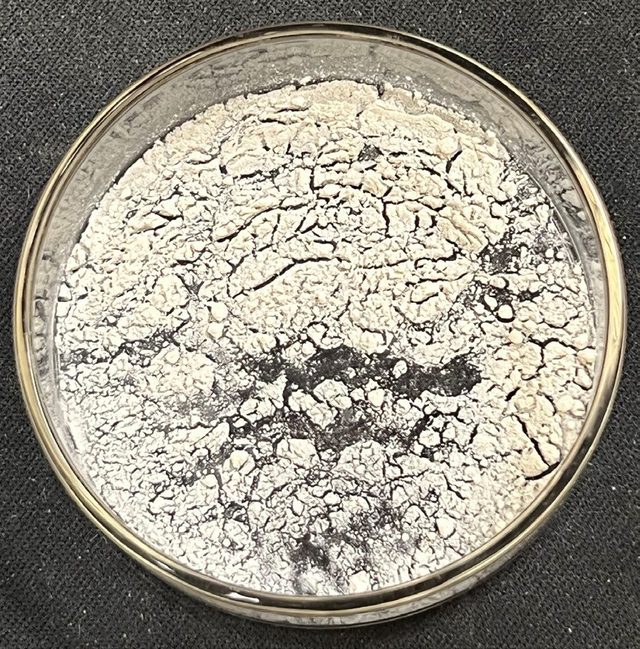
About 1 g of powder spread in a glass petri dish, ashed in a Tergeo plasma system. Weights measured on an analytical balance.
| Sample | Starting mass | Residue | Ashing mostly complete | Notes |
|---|---|---|---|---|
| Charcoal powder | 1 g | — | ≈ 3.5 h | No stirring |
| Coal T-4 | 1.087 g | 0.110 g (10.1%) | ≈ 6 h | 15 h run, no stirring |
| Coal Z-4 | 0.871 g | 0.052 g (6.0%) | 4–5 h | 15 h, stirred, +5 h: mass nearly unchanged (0.063 → 0.052 g) |
| Coal Z-5 | 1.104 g | 0.156 g (14.1%) | ≈ 6 h | 4 h, stirred, +3 h; some large particles may remain |
Tips for ashing powders
Spread thin
Radicals react at the surface. A thin, even layer ashes fastest; thick layers leave an unashed core.
Stir once, then confirm
Stir when the emission reaches baseline. If the reading rises, ash again; if not, you're done.
Slow vent
Fine, light ash blows away easily. Use slow venting and slow pumping to keep every milligram.
Recommended systems: Tergeo-Plus (up to 500 W, Ø160 mm chamber) and Tergeo-Pro (Ø230 mm chamber) for multiple dishes per run. See also plasma ashers and end-point detection for ashing.
Not sure which plasma cleaner fits your process?
Tell us your samples, size and process gas. Our engineers reply within one to two business days with a recommendation and a quote.